
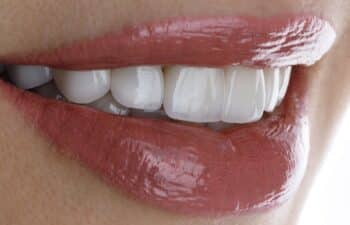
Are you dreaming of achieving a flawless “Hollywood smile”? Dental veneers are a popular choice for many seeking to enhance their smile. But with options like porcelain and zirconia veneers, which material is best for your needs? Let’s explore the key differences between these two types of veneers to help you make an informed decision.
Understanding Porcelain Veneers
Porcelain veneers are thin ceramic or lithium disilicate plates designed to cover the front surface of your teeth. They are known for their natural appearance and strength.
Pros:
- Highly aesthetic: Porcelain veneers closely mimic the appearance of natural teeth.
- High biocompatibility: They are well-tolerated by the body.
- Resistant to staining: Porcelain is less likely to discolor over time.
- Easy to care for: Maintaining them is straightforward with regular dental hygiene.
Cons:
- Weaker resistance to mechanical damage: Porcelain can chip or crack under excessive force.
Types of Porcelain Veneers:
- CAD/CAM Plates: Created using advanced computer technology and milling to ensure a precise fit and excellent aesthetics.
- Refractor Ultra-Thin Restorations: Made with a layer-by-layer porcelain application for natural translucency.
- E-max (Lithium Disilicate): Known for their high adhesion rate and excellent light transmission, while still being very thin and durable.
Exploring Zirconia Veneers
Zirconia veneers are crafted from zirconium dioxide, a highly durable material. They are renowned for their strength and longevity.
Pros:
- Highly aesthetic: Multi-layer zirconia veneers can effectively mimic the color and gradient of natural teeth.
- Perfect biocompatibility: Zirconia is compatible with the body and minimizes allergic reactions.
- High strength: Zirconia is extremely durable and resistant to damage.
- Resistant to staining: Like porcelain, zirconia is also less prone to discoloration.
Cons:
- High cost: The price can be higher due to the quality of materials and production complexity.
- Potentially unnatural appearance: Solid zirconia veneers may lack the translucency of natural teeth.
Types of Zirconia Restorations:
- Multi-layer: Designed to replicate the natural color and translucency of teeth.
- Solid Zirconia: Made from monolithic zirconium dioxide, offering high strength but with less natural transparency.
Porcelain vs. Zirconia Veneers: Which is Right for You?
Both porcelain and zirconia veneers offer unique benefits and can enhance your smile significantly. The choice between the two often depends on individual preferences and specific dental needs. Your cosmetic dentist will assess factors such as your oral health, desired appearance, and budget to recommend the most suitable option.
Consult with a Cosmetic Dentist
If you’re considering veneers to achieve that perfect smile, consulting with a cosmetic dentist in Marietta is essential. At Gilreath Family Dentistry, our experienced team can guide you through your options, helping you choose the best material for your veneers and ensuring a beautiful, lasting result.
Conclusion
Both porcelain and zirconia veneers can provide a stunning smile transformation. By understanding their differences, you can make an informed decision about which type of veneer best meets your needs. If you have any questions or would like to explore your options further, don’t hesitate to contact us. We offer comprehensive consultations to help you achieve your ideal smile.
**Disclaimer: This content should not be considered medical advice and does not imply a doctor-patient relationship.
Posted By: