
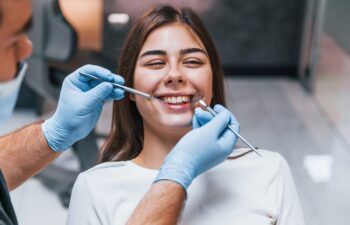
When it comes to oral cancer, timing is everything. Early detection changes everything — from treatment complexity to long-term survival rates. At Gilreath Family Dentistry Marietta, Dr. Paul Gilreath helps patients understand not just what oral cancer screenings involve, but how long their protective benefits last. This longevity guide walks Marietta patients through what to expect, what affects screening effectiveness, and how to build a lasting layer of protection into your dental care routine.
Why Early Detection Changes Everything for Marietta Patients
Oral cancer affects thousands of Americans every year. When caught early, the five-year survival rate exceeds 80%. When caught late, that number drops significantly. The difference often comes down to one simple dental visit.
An oral cancer screening is a quick, painless visual and tactile exam. Dr. Gilreath checks your lips, gums, tongue, cheeks, and throat for abnormal tissue. No needles. No downtime. Just a few minutes of attentive care that could make a life-changing difference.
Screenings do not last forever on their own. A single exam gives you a snapshot of your oral health at that moment. What keeps you protected over time is the consistency of scheduling these exams regularly. That is the real longevity strategy.
How Long Does an Oral Cancer Screening Stay Effective?
A single screening is valid for approximately one year under normal risk conditions. After that, your oral tissue can change. New lesions can develop in months, not years. Relying on one past screening as ongoing protection is a common and dangerous misconception.
For average-risk adults, Dr. Gilreath recommends annual screenings integrated into your regular dental visits. For higher-risk patients, more frequent checks may be advised. The goal is to create a continuous timeline of documented oral health, not isolated checkpoints.
Think of it like this: one blood pressure reading does not protect your heart long-term. The same logic applies to oral cancer screenings. Consistent, recurring exams extend your effective protection across years and decades.
- Annual screenings recommended for most adults
- Every six months for tobacco users or heavy alcohol consumers
- More frequent monitoring if prior suspicious findings were noted
- Immediate follow-up if new symptoms appear between visits
What Shortens or Extends the Lifespan of Your Screening Results?
Several lifestyle and health factors directly influence how quickly your oral tissue can change. Understanding these helps you make smarter decisions between dental visits. Prevention and early detection work hand in hand.
Factors that shorten the effective lifespan of a screening include tobacco use in any form, heavy alcohol consumption, and human papillomavirus (HPV) exposure. Sun exposure to the lips over time also raises risk. These factors accelerate cellular changes in oral tissue.
Factors that extend the benefit of regular screenings include quitting tobacco, limiting alcohol, using UV-protective lip balm, and maintaining strong overall immune health. A healthy diet rich in antioxidants also supports tissue resilience.
- Shortens effectiveness: Smoking, chewing tobacco, vaping, heavy alcohol use, HPV exposure
- Extends effectiveness: Tobacco cessation, moderate alcohol intake, good nutrition, UV lip protection
- Neutral but important: Regular dental checkups, open communication with Dr. Gilreath
Patients who proactively manage risk factors gain more value from each individual screening. Your habits between visits matter just as much as the exam itself.
What Ongoing Maintenance Looks Like at Gilreath Family Dentistry
Oral cancer screening is not a standalone service at our Marietta practice. It is woven into your broader preventive care plan. During your regular preventive visits, Dr. Gilreath includes a thorough visual screening as part of your comprehensive exam.
This integrated approach means you are never skipping protection just because you did not schedule a separate appointment. It also allows Dr. Gilreath to track changes in your oral tissue over time. Patterns matter. A lesion that resolves on its own is very different from one that persists.
Patients who receive Family Dentistry Marietta services at our practice benefit from continuity of care. Dr. Gilreath and our team build a complete picture of your oral health history. That history becomes a powerful diagnostic tool over years of consistent visits.
If you experience an urgent change — a sore that does not heal, persistent hoarseness, or unexplained mouth pain — our Emergency Dentistry Marietta services ensure you can be seen promptly. Do not wait for your annual visit if something feels wrong.
Building Your Long-Term Protection Plan in Marietta
The most effective oral cancer strategy is a personalized, ongoing plan — not a one-time appointment. Dr. Gilreath works with each patient to determine the right screening frequency based on individual risk. That plan evolves as your health and lifestyle change.
Your protection plan may also include patient education resources, tobacco cessation support referrals, and guidance on recognizing early warning signs at home. Knowledge extends your protection far beyond the dental chair. Knowing what to look for between visits empowers you to act quickly when something changes.
Marietta patients who commit to regular screenings are investing in years of peace of mind. Early detection changes everything — not just in treatment outcomes, but in quality of life. The ability to catch a problem before it grows gives you options, time, and hope.
If you are overdue for a screening or have never had one, now is the right time. Book Now to schedule your appointment with our team.
Frequently Asked Questions
How often should I get an oral cancer screening in Marietta?
Most adults should receive an oral cancer screening at least once per year. If you use tobacco, consume alcohol heavily, or have a history of HPV, Dr. Gilreath may recommend screenings every six months. Consistent scheduling is the key to long-term protection.
Does an oral cancer screening hurt?
No. Oral cancer screenings are completely painless and non-invasive. Dr. Gilreath visually examines your lips, tongue, cheeks, gums, and throat. He may also gently feel the tissue for unusual lumps or texture changes. The entire process typically takes just a few minutes.
What are the early warning signs I should watch for between visits?
Watch for sores that do not heal within two weeks, red or white patches inside your mouth, persistent hoarseness, unexplained numbness, or difficulty swallowing. If you notice any of these symptoms, contact Gilreath Family Dentistry Marietta right away rather than waiting for your next scheduled visit.
Can I get an oral cancer screening if I have never used tobacco?
Absolutely. While tobacco use increases risk, anyone can develop oral cancer. HPV-related oral cancers are rising among non-smokers. All adults benefit from regular screenings regardless of lifestyle habits. Early detection saves lives across all risk categories.
What happens if something suspicious is found during my screening?
If Dr. Gilreath finds a concerning area, he will document it carefully and may recommend a follow-up visit or a referral for biopsy. Finding something suspicious does not automatically mean cancer. Many lesions are benign. The goal is to investigate early so that if treatment is needed, it can begin at the most treatable stage.
Posted By: