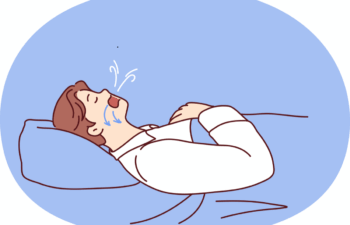
Sleep apnea is a common yet serious sleep disorder where breathing repeatedly stops and starts during the night. This condition can lead to daytime fatigue, mood disturbances, and even cardiovascular problems if left untreated. While CPAP machines are the most widely known solution, many patients find them uncomfortable and difficult to use consistently.
Thankfully, there are non-invasive alternatives that offer effective relief without the bulk of a machine. If you’re looking for sleep apnea treatment in Marietta, it’s worth exploring these options.
Why Some Patients Seek CPAP Alternatives
CPAP (Continuous Positive Airway Pressure) therapy is highly effective but not always practical for everyone. Common complaints include:
-
Discomfort from the mask
-
Dry mouth or nasal passages
-
Claustrophobia
-
Noise disturbances
-
Interrupted sleep due to equipment issues
These factors often lead patients to stop using their CPAP machine altogether, which puts their health at risk. That’s where alternative therapies can help.
Non-Invasive Sleep Apnea Treatment Options
1. Oral Appliance Therapy
Custom-made oral appliances are one of the most popular alternatives to CPAP. These devices reposition the jaw and tongue to keep the airway open during sleep.
Benefits:
-
Comfortable and easy to wear
-
Portable for travel
-
Quiet and non-disruptive
-
Effective for mild to moderate obstructive sleep apnea
At Gilreath Family Dentistry Marietta, we offer customized oral appliances that are tailored to your specific needs.
2. Lifestyle Changes
Sometimes, modifying daily habits can significantly reduce sleep apnea symptoms. Consider:
-
Weight loss: Excess weight, especially around the neck, can obstruct breathing.
-
Sleep position changes: Sleeping on your side can help prevent airway collapse.
-
Avoiding alcohol and sedatives: These relax throat muscles, making obstruction more likely.
3. Positional Therapy
For individuals whose sleep apnea worsens when lying on their back, positional therapy can train them to sleep on their side. Special devices or wearable sensors can aid in maintaining a healthier sleep position.
4. Nasal Expiratory Positive Airway Pressure (EPAP)
EPAP devices are small, disposable tools placed over the nostrils. They create pressure during exhalation to keep the airway open and are a good option for those with mild sleep apnea.
When to Consider These Alternatives
These alternatives may be suitable if:
-
You have mild to moderate obstructive sleep apnea.
-
You are CPAP-intolerant.
-
You prefer a less invasive solution.
-
You’re looking for a treatment that fits your lifestyle better.
A consultation with a knowledgeable dental professional can help determine the best sleep apnea treatment for your condition and preferences.
Conclusion
Managing sleep apnea doesn’t have to mean struggling with an uncomfortable CPAP machine. Non-invasive options like oral appliances, lifestyle adjustments, and positional therapy offer relief with fewer disruptions. If you’re seeking effective and personalized sleep apnea treatment in Marietta, Gilreath Family Dentistry Marietta can help. Schedule a consultation today to explore treatment options that work for you and support your long-term health.
**Disclaimer: This content should not be considered medical advice and does not imply a doctor-patient relationship.
Posted By: