
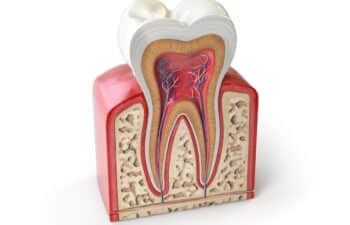
After a tooth extraction, your body naturally heals by forming a blood clot over the extraction site. This blood clot plays an important role in protecting the underlying bone and nerves as your mouth heals. However, if the blood clot becomes dislodged or fails to form properly, dry socket (also known as alveolar osteitis) can occur. This condition is extremely painful but can be treated with proper care. If you are experiencing severe pain after a tooth extraction, it’s crucial to seek emergency dentistry in Marietta to prevent complications.
What Causes Dry Socket?
Dry socket typically develops when the blood clot that should form after a tooth extraction either doesn’t form correctly or is dislodged prematurely. When this happens, the nerve beneath the gum is left exposed to air, food debris, fluids, and bacteria, causing severe pain and discomfort. Certain actions, like spitting, excessive rinsing, or drinking through a straw, can increase the risk of developing dry socket.
While dry socket is rare, some individuals are at a higher risk, including:
-
Smokers: Tobacco use impairs healing and can dislodge the blood clot.
-
Women using birth control pills: Estrogen can affect blood clotting.
-
Those with a history of dry socket: If you’ve had dry socket before, you may be more likely to develop it again.
-
People with poor oral hygiene: Bacterial accumulation increases the risk.
-
Individuals who undergo traumatic tooth extractions: More aggressive extractions can increase the likelihood of dry socket.
Common Signs of Dry Socket
If you’ve recently had a tooth extracted and are experiencing unusual symptoms, dry socket might be the cause. Here are some common signs:
-
Severe pain: A dull, throbbing, or sharp pain at the extraction site, which can radiate to your ear.
-
Bad breath: Foul odor emanating from the mouth.
-
Unpleasant taste: A bitter or unpleasant taste in your mouth.
-
Dry socket opening: The extraction site may appear dry instead of filled with a blood clot.
-
Visible bone: Instead of a dark blood clot, you may notice the whitish bone at the extraction site.
If any of these symptoms appear, it’s important to consult a dentist or emergency dentistry clinic in Marietta as soon as possible. Early treatment can alleviate pain and prevent further complications.
Treatment for Dry Socket
When you visit your dentist for dry socket treatment, they will take steps to clean the socket and remove any debris. After cleaning, your dentist will place a medicated dressing or paste in the socket to promote healing and reduce pain. In some cases, your dentist may prescribe antibiotics to prevent infection.
Here’s a step-by-step breakdown of dry socket treatment:
-
Pain management: Your dentist may recommend over-the-counter pain relievers like ibuprofen or prescribe stronger pain medication if necessary.
-
Cleaning the socket: The extraction site will be thoroughly cleaned to remove any debris.
-
Medicated dressing: A medicated dressing will be applied to the socket to protect the bone and promote healing.
-
Follow-up visits: You will likely need to return for follow-up visits so that your dentist can change the dressing as the socket heals.
Additionally, your dentist might recommend saltwater rinses or mouthwash to help keep the area clean and prevent infection.
Preventing Dry Socket
While not all cases of dry socket can be prevented, you can reduce your risk by following these post-extraction care tips:
-
Avoid smoking: Smoking can increase your risk of dry socket. Try to avoid tobacco products for at least 48-72 hours after the extraction.
-
Don’t use straws: The suction from drinking through a straw can dislodge the blood clot.
-
Minimize rinsing: Follow your dentist’s instructions on rinsing your mouth. Excessive rinsing can disturb the blood clot.
-
Maintain good oral hygiene: Keep your mouth clean, but avoid brushing the extraction site directly until it has healed.
-
Follow up with your dentist: Attend any scheduled follow-up appointments to ensure the extraction site is healing properly.
When to Seek Emergency Dentistry in Marietta
Dry socket can be a painful and frustrating condition, but it’s treatable with prompt care. If you’re experiencing any of the symptoms mentioned above, it’s important to seek emergency dentistry in Marietta. At Gilreath Family Dentistry, we specialize in providing fast, effective treatment to manage and alleviate the pain of dry socket. Our experienced team is dedicated to ensuring your recovery is as comfortable and speedy as possible.
Conclusion
Dry socket is a painful complication that can arise after a tooth extraction, but with proper care and attention, it is treatable. If you think you may have dry socket, don’t wait to seek professional dental help. Schedule an appointment with our team at Gilreath Family Dentistry for expert care and treatment. We can help ease your discomfort and guide you on the best path to recovery. For more information or to book an appointment, visit our website.
**Disclaimer: This content should not be considered medical advice and does not imply a doctor-patient relationship.
Posted By: