
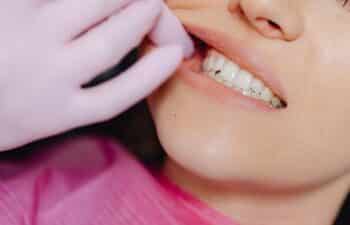
A misaligned bite can lead to various dental health problems beyond the appearance. A crossbite is a common dental alignment issue that causes discomfort, speech problems, and difficulty in eating.
A key sign of this dental misalignment is when the upper teeth close behind the lower teeth. It can affect teeth in both the front and back of the mouth. While a crossbite is similar to an underbite, it impacts a group of teeth, whereas an underbite affects all.
This blog will cover this teeth alignment issue, its causes, symptoms, and treatment options.
What Do You Understand By Crossbite?
A malocclusion happens when the teeth do not align correctly when you close the mouth. This condition can affect a single tooth or a series of teeth. Generally, the upper teeth are wider and sit outside of the bottom teeth set. Each upper tooth touches the lower one, so the pressure to chew and grind evenly spreads across your mouth. However, when you have cross-biting alignment, it will cause irregular wear and damage the teeth. When you have difficulty eating or chewing due to misalignment, consulting an emergency dentist is a must.
There are two types of malocclusion issues available-
-
Posterior Misalignment-
This situation occurs when the upper back teeth sit inside the bottom teeth. The dental structures look tilted in the inner portion towards the tongue instead of lined up straight and fitting together.
-
Anterior Misalignment-
It happens when one or more upper teeth are behind the lower front teeth. This situation distinguishes cross-biting from an underbite.
The Causes Behind Cross-Biting
Various reasons cause crossbite, and they include-
- Pacifier, thumb, or finger sucking that pushes the teeth
- Missing teeth
- Tongue thrust when swallowing
- Small jaw that cannot fit all teeth
- Baby teeth that do not fall out
- Cleft palate or cleft lip
- Mouth breathing
- Teeth too big to fit well
- An early baby tooth that causes the teeth to move
Teeth and bones can be pushed out of shape. If the teeth are missing or come in late, other nearby teeth will drift or shift, leading to structural issues.
The Symptoms Of Cross-Biting
The main symptom of a crossbite is teeth that do not line up correctly. The appearance of the teeth depends on the severity of the condition and where they are affected. For example, sometimes, a tooth is tucked in behind another, or several teeth do not touch each other appropriately.
If the malocclusion is left untreated, it can lead to lots of dental issues like-
- Loose teeth
- Tooth damage
- Uneven jaw growth
- Unbalanced facial features
- Cavities
- Enamel breakdown
- Receding gums
- Jaw shifting to one side
- TMJ disorder
Crossbite Treatment Options
Here are some of the ways by which you can treat cross-biting issues-
Orthodontics- The orthodontist suggests using dental devices like braces or clear aligners in case of minor or moderate alignment issues. They consistently put pressure on the teeth to move in the right place.
Palatal Expanders—This tool is very effective for repairing a crossbite. It enlarges the top jaw to create a narrow upper arch. Orthodontists suggest this solution to kids, as their jaws are still developing.
Tooth Extraction– In some situations, the jaw might not have enough space for crossbiting correction. A dental professional sometimes suggests tooth extraction to free up space for the existing teeth to align correctly.
Jaw Surgery—Orthognathic treatment is sometimes needed in extreme situations. This procedure involves fixing the alignment issue of the upper or lower jaw.
Regardless of the severity of the cross-biting case, consult a dentist offering emergency dentistry service in Marietta.
Crossbite is pretty common, and it generally develops during childhood. This alignment problem can be solved when you are a kid. However, the treatment becomes challenging when you grow up. If you want the best treatment for dental misalignment, visiting Gilreath Family Dentistry Marietta is the right option. We offer personalized treatments for patients depending on their dental needs. Book an appointment today and smile with confidence.
**Disclaimer: This content should not be considered medical advice and does not imply a doctor-patient relationship.
Posted By: