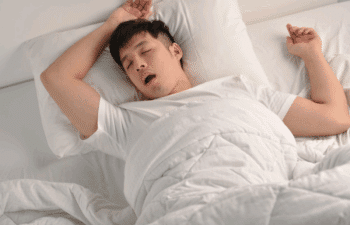
If you’ve been diagnosed with sleep apnea, your first thought might be, “Now I have to use a CPAP machine.” While CPAP (Continuous Positive Airway Pressure) is the most well-known treatment, it’s not the only option. Oral appliances offer a comfortable, non-invasive alternative, especially for those with mild to moderate obstructive sleep apnea (OSA).
So, which is better for you—CPAP or an oral appliance? Let’s compare the two to help you decide.
Understanding CPAP Therapy
A CPAP machine delivers a steady stream of air through a mask, keeping your airway open while you sleep. It’s highly effective for severe sleep apnea but comes with some challenges:
Pros of CPAP:
✔ Highly effective for moderate to severe sleep apnea
✔ Immediate improvement in breathing and sleep quality
✔ Covered by most insurance plans
Cons of CPAP:
✖ Can be bulky and noisy
✖ Requires regular maintenance (filters, hoses, masks)
✖ Some users find the mask uncomfortable or claustrophobic
Oral Appliance Therapy: A CPAP Alternative
An oral appliance is a custom-fit device (similar to a mouthguard or retainer) that repositions the jaw to keep the airway open. It’s ideal for those with mild to moderate sleep apnea or CPAP intolerance.
Pros of Oral Appliances:
✔ Comfortable and easy to wear
✔ Portable (great for travel)
✔ No noise or mask discomfort
✔ Low maintenance compared to CPAP
Cons of Oral Appliances:
✖ Requires a custom fit from a dentist
✖ Potential for jaw discomfort initially
Cost Comparison: CPAP vs Oral Appliance
While CPAP therapy often appears more affordable at first glance, the long-term financial picture reveals important differences between these treatment options.
Initial Investment:
-
CPAP machines typically have a lower starting price point
-
Oral appliances generally require a higher initial investment
Ongoing Expenses:
-
CPAP requires regular replacement parts (masks, tubing, filters)
-
Needs periodic maintenance and accessories
-
May involve additional costs for accessories like travel cases
-
Oral appliances have minimal maintenance requirements
-
Only occasional professional adjustments may be needed
-
No recurring supply costs
Long-Term Value:
The CPAP’s lower upfront cost can be misleading when factoring in years of necessary supplies and replacements. Oral appliance therapy, while requiring a greater initial commitment, typically proves more economical over time with its minimal maintenance needs and durable construction.
Many patients find that after several years of use, their total investment in oral appliance therapy becomes significantly more cost-effective compared to CPAP treatment.
Which Treatment Is Best for You?
Consider these factors when choosing:
✅ Severity of Sleep Apnea – CPAP is best for severe cases, while oral appliances work well for mild to moderate OSA.
✅ Comfort & Lifestyle – If you travel often or dislike masks, an oral appliance may be better.
✅ Budget – Long-term, oral appliances can be more cost-effective.
Need Help Deciding? Schedule a Consultation
If you’re struggling with sleep apnea in Marietta, Gilreath Family Dentistry can help. We offer custom oral appliances and expert guidance to find the best treatment for you.
📞 Schedule a consultation today and take the first step toward better sleep!
Conclusion
Choosing between CPAP and an oral appliance depends on your sleep apnea severity, comfort preferences, and budget. While CPAP is highly effective, oral appliances provide a convenient, low-maintenance alternative for many patients.
If you’re unsure which treatment is right for you, consult a sleep specialist or dentist to explore your options. Better sleep is possible—find the solution that works best for your needs!
**Disclaimer: This content should not be considered medical advice and does not imply a doctor-patient relationship.
Posted By: