
Introduction
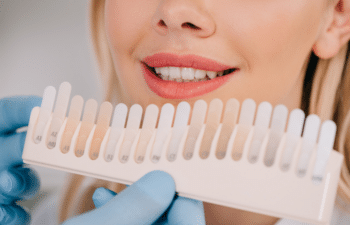
Welcome to the world of tooth color restoration! In today’s modern age, where beauty and aesthetics are highly valued, having a perfect set of pearly whites is no longer just a dream. With numerous restorative options available, dental professionals can now offer their patients a complete smile makeover. However, it’s important to understand that not all tooth color restorations are created equal. That’s why we’re excited to introduce you to our comprehensive classification system for tooth color restoration – an innovative approach that will help both dentists and patients achieve stunning results. So let’s dive in!
The Different Classes of Tooth Color Restoration
There are four different classes of tooth color restoration:
Class I: This is the most common type of tooth color restoration. It is used to restore the natural color of teeth that have become stained or discolored over time. Class II: This type of tooth color restoration is used to restore the natural color of teeth that have been damaged by trauma or injury. Class III: This type of tooth color restoration is used to restore the natural color of teeth that have been bleached or lightened. Class IV: This type of tooth color restoration is used to restore the natural color of teeth that have been darkened by age, disease, or medications.
Class I: External Bleaching
The term “external bleaching” is used to describe any technique that uses a peroxide-containing bleaching agent applied to the external surface of the tooth. The most common agents used are carbamide peroxide and hydrogen peroxide.
There are two basic types of external bleaching: vital and non-vital. Vital bleaching is performed on teeth that have a live pulp (nerve) tissue, while non-vital bleaching is performed on teeth that have had root canal treatment and no longer have a live pulp.
External bleaching is generally considered to be a safe and effective way to lighten teeth that are discolored from ageing, certain foods and beverages, tobacco use, or taking certain medications. It is important to consult with a dentist before undergoing any type of bleaching treatment, as there are some risks involved such as increased tooth sensitivity.
Class II: Internal Bleaching
Internal bleaching is indicated when the vital pulp is exposed and the tooth discoloration is located within the tooth. This type of bleaching can only be provided by a dentist. During internal bleaching, the dentist will access the inside of the tooth and place bleach directly onto the stained tissue. A temporary filling or another type of restoration will be placed over the bleach to protect it from being washed away. The bleach will then be left in place for some time before being removed and the teeth sealed.
Class III: Direct Resin Composite Veneers
Direct resin composite veneers are one option for restoring the natural tooth color. This type of veneer is made from a tooth-coloured resin material and is applied directly to the surface of the tooth. The advantage of direct resin composite veneers is that they can be customized to match the natural tooth color.
Class IV: Indirect Porcelain Veneers
Indirect porcelain veneers are a type of tooth color restoration that is performed by a dental technician in a laboratory. This type of veneer is made from a thin layer of porcelain that is bonded to the front surface of the tooth. Indirect porcelain veneers are used to correct a variety of dental problems, such as stained teeth, chipped teeth, and misshapen teeth.
Conclusion
In conclusion, a classification system of tooth colour restoration provides an effective way for dentists to evaluate and treat their patients’ teeth. Dentists need to be familiar with the different categories to properly diagnose and manage each case. By understanding how each type of colour restoration works, they can develop treatment protocols that will help them achieve successful outcomes. Additionally, this system helps dental professionals keep track of all cases and monitor the effectiveness of their treatments over time.
Posted By: