Gum recession can be easy to overlook when it affects only one tooth. You may notice that the tooth looks longer than its neighbors, feels sensitive, or has a small notch near the gumline. Gum recession around one tooth can result from brushing too hard, gum disease, tooth position, or other local factors. At Gilreath Family Dentistry in Marietta, an examination can help identify the cause and determine whether treatment is needed.
The gums protect the roots of your teeth and help support your oral health. When the gumline moves downward or away from a tooth, the exposed root may become more sensitive and vulnerable to decay. Therefore, it is worth investigating a change even when it does not hurt.
What Causes Gum Recession Around One Tooth?
Recession affecting a single tooth often has a local cause. However, the appearance alone cannot reveal why the gumline has changed.
You can consult an experienced Marietta dentist at Gilreath Family Dentistry for an assessment of your gums and tooth structure. The dentist can check for inflammation, root exposure, tooth position, and other signs that may explain the change.
1. Brushing Too Hard
Brushing with excessive pressure or using a hard-bristled toothbrush can irritate gum tissue. Over time, aggressive brushing may contribute to recession, especially when the technique repeatedly targets one area.
Use a soft-bristled toothbrush and gentle, controlled movements. You do not need to scrub hard to clean your teeth effectively.
2. Gum Disease
Plaque contains bacteria that can irritate the gums. If plaque remains along the gumline, inflammation may develop and eventually damage the tissues that support your teeth.
Advanced gum disease can cause recession, deeper pockets around teeth, and bone loss. Although gum disease often affects several areas, the severity may differ from one tooth to another.
Other warning signs include bleeding gums, persistent bad breath, swelling, or loose teeth. However, some people experience little pain even when gum disease has progressed.
3. Tooth Position or Thin Gum Tissue
A tooth that sits outside the normal dental arch may have less protective gum tissue over its root. Thin gum tissue can also make some areas more prone to recession.
In these cases, the gumline may change even when your brushing habits are reasonable. A dentist can assess the tooth’s position and the thickness of the surrounding tissue.
4. Injury or Local Irritation
A cut, injury, or repeated pressure on one area may contribute to gum changes. Dental appliances that do not fit properly can also irritate the tissue.
If recession appears after an injury or alongside ongoing irritation, arrange an examination. Identifying the source can help prevent the problem from getting worse.
What Symptoms Can Gum Recession Cause?
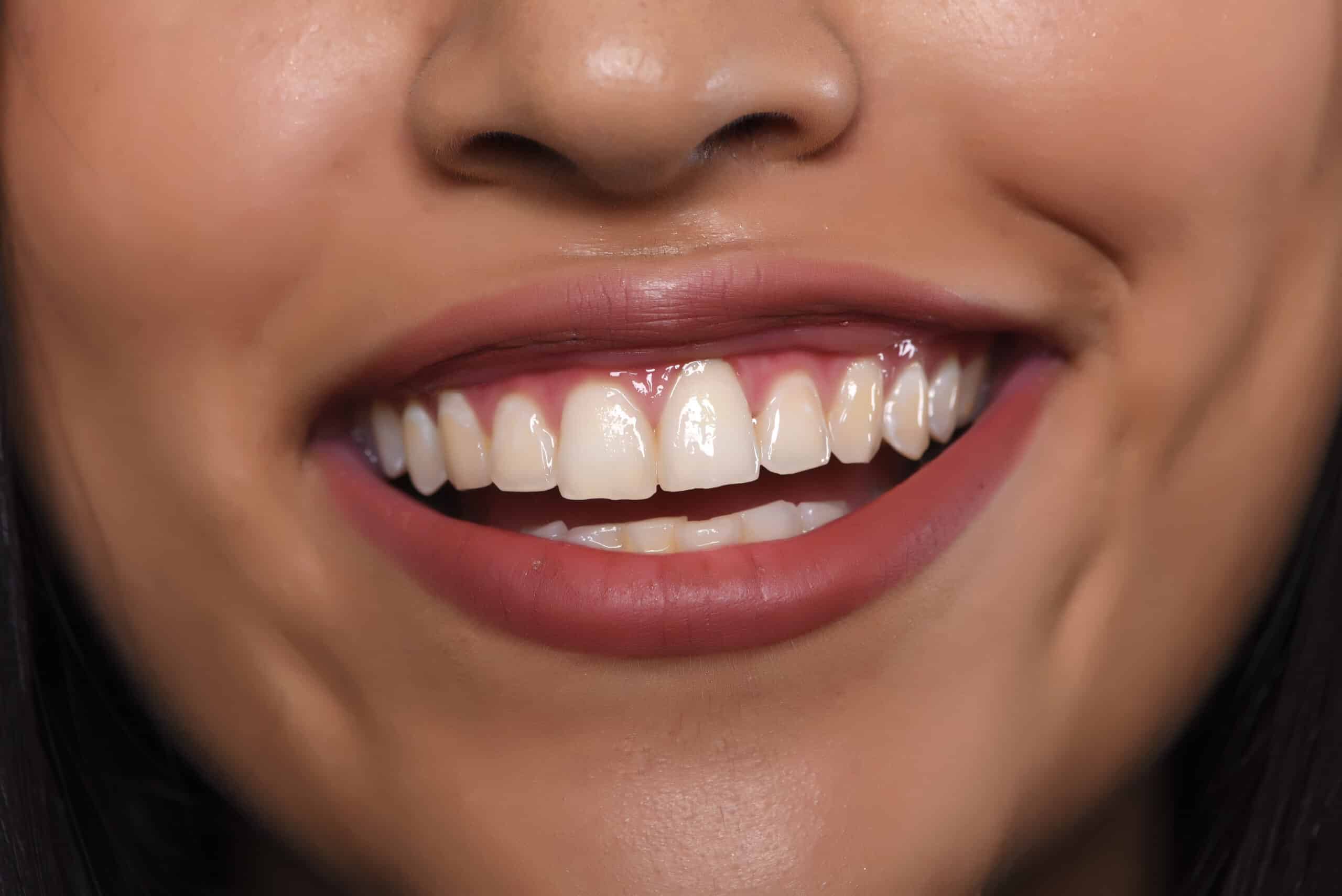
The most noticeable sign is often a tooth that appears longer than the others. You may also see more of the tooth near the gumline.
Other symptoms can include:
- Sensitivity to cold drinks, hot foods, or sweet items
- A visible section of yellowish tooth root
- A notch or rough area near the gumline
- Discomfort when brushing the exposed area
- Food collecting near the affected tooth
- Redness, swelling, or bleeding when gum inflammation is present
Exposed roots do not have the same protective enamel covering as the crown of a tooth. As a result, they may feel more sensitive and face a higher risk of root cavities.
Still, not every change in gum appearance means recession. A dentist can compare the affected area with surrounding teeth and assess whether the gumline has moved.
Can Receding Gums Grow Back?
In most cases, gum tissue does not grow back on its own after significant recession. Improving oral hygiene may help control inflammation, but it does not usually restore gum tissue that has already been lost.
However, that does not mean every case requires surgery. The appropriate approach depends on the amount of recession, the health of the surrounding gums, the level of sensitivity, and the risk of further damage.
A dentist may recommend monitoring a stable area, improving brushing technique, treating gum disease, or using a procedure to cover the exposed root.
Early assessment is useful because it helps establish a baseline. Your dental team can then check whether the recession remains stable or continues to progress.
What Treatment Options Can Help?
Treatment focuses on controlling the cause, protecting the exposed root, and improving comfort. Your dentist will explain which options fit your situation.
Professional Cleaning and Gum Treatment
When plaque and tartar contribute to inflammation, professional cleaning can help remove these deposits. If periodontitis is present, deeper cleaning may be necessary.
Keeping gum disease under control can help protect the remaining supporting tissue. However, cleaning alone does not replace gum tissue that has already receded.
Desensitizing Products
If the exposed root feels sensitive, a fluoride treatment or desensitizing product may help reduce discomfort. Your dentist can recommend an appropriate toothpaste or in-office option.
These treatments may improve comfort, but they do not cover the root or reverse recession.
Dental Bonding or Protective Restorations
In selected cases, a dentist may use a tooth-colored material to cover an exposed area or protect a root surface. This can help manage sensitivity or a root defect.
The best option depends on the tooth’s condition and the location of the recession. A restoration may require monitoring and maintenance over time.
Gum Grafting
A gum graft may be an option when recession exposes the root or creates other concerns. During the procedure, a periodontist or appropriately trained dental professional adds tissue to the affected area.
The tissue may come from the roof of the mouth or another suitable source. A graft can cover some exposed root surfaces, improve tissue thickness, and help protect the area.
However, complete root coverage is not guaranteed. The likely result depends on factors such as the amount of tissue loss, the tooth’s position, and the condition of the surrounding gums.
How Can You Prevent Gum Recession From Getting Worse?
You may not be able to prevent every case, especially when tooth position or tissue thickness plays a role. Still, careful habits can reduce avoidable irritation.
Use a soft-bristled toothbrush. Brush gently along the gumline rather than scrubbing back and forth with heavy pressure.
Clean between your teeth daily. Floss or use an appropriate interdental cleaner to remove plaque from areas your toothbrush cannot reach.
Address gum disease early. Bleeding, swelling, and persistent bad breath deserve attention, particularly when they occur repeatedly.
Avoid tobacco products. Tobacco use increases the risk of gum disease and can affect gum health.
Attend regular dental examinations. Routine visits allow your dentist to monitor recession, check for root cavities, and recommend treatment before the area becomes more difficult to manage.
Also, avoid placing sharp objects near the gumline or trying to scrape away deposits yourself. These actions can injure the tissue and make the problem worse.
When Should You Have Receding Gums Checked?
Arrange an examination if one tooth appears longer, the root becomes visible, or sensitivity develops near the gumline. You should also seek care if the recession seems to be progressing.
If the area has swelling, pus, increasing pain, or a loose tooth, contact a dentist promptly. These signs may point to a more serious problem that requires timely assessment.
Do not wait for pain before seeking advice. Gum recession can develop gradually, and the exposed root may remain comfortable even while the tissue changes.
Recession around one tooth can result from brushing pressure, gum disease, tooth position, or local irritation. Although lost gum tissue usually does not return on its own, treatment can help control the cause, reduce sensitivity, and protect the exposed root. Options range from improved home care to protective restorations or gum grafting.
For an assessment of changing gumlines or exposed tooth roots, contact Gilreath Family Dentistry in Marietta. Schedule your appointment to discuss the affected tooth and learn which treatment options may suit your needs.